Daily kitchen reset
After meals, pet bowls, and quick spills, homeowners need a tool that controls water without making the floor stay wet. Spin systems and spray mops fit the rhythm of fast, repeated cleanup.
Horizontal stories
These segments are consumer and service environments, not industrial categories. Each one is shaped by room traffic, spill type, floor surface, tool storage, and how often refills are washed or replaced.
After meals, pet bowls, and quick spills, homeowners need a tool that controls water without making the floor stay wet. Spin systems and spray mops fit the rhythm of fast, repeated cleanup.
Small spaces reward tools that hang, nest, and refill easily. Flat mops, dusting pads, and compact buckets help renters keep gear accessible without crowding the utility area.
Stores need differences that shoppers understand quickly: clean-water bucket, washable pad, scrub zone, refill type, and floor fit. This reduces confusion between similar products.
Hosts need tools that reset entryways, baths, and kitchens reliably between guests. Washable microfiber and easy refill identification make the routine easier to standardize.
Family caregivers and shared households benefit from simple care directions: rinse, wash, dry, and replace at the right time without guessing which head fits.
Transformation cases
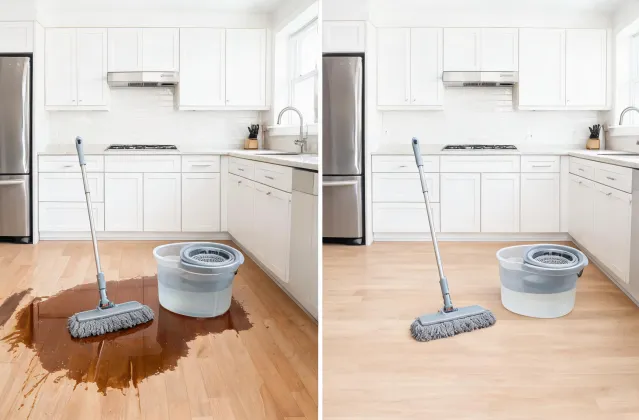
Switching from a generic wet mop to a controlled spin system helps users rinse, wring, pass, and dry with more confidence on mixed floor surfaces.
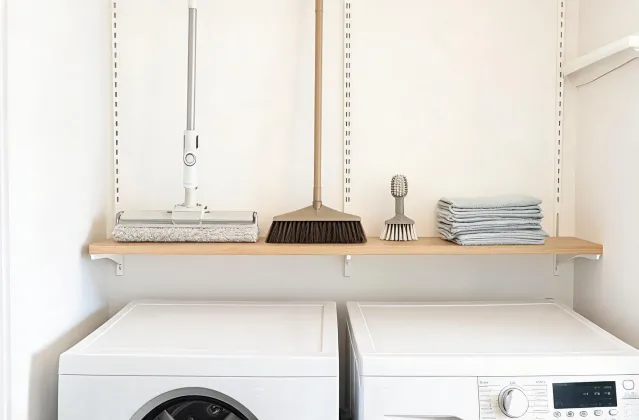
A simple kit built around flat mop pads, a broom, and detail brush gives hosts a repeatable sequence for bathrooms, entries, and dining spaces.
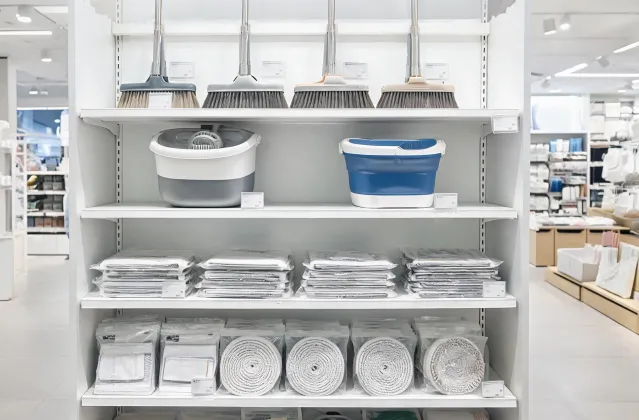
When packaging and support language highlight water separation, washable refills, and room use, shoppers can choose faster and return for the right refill.
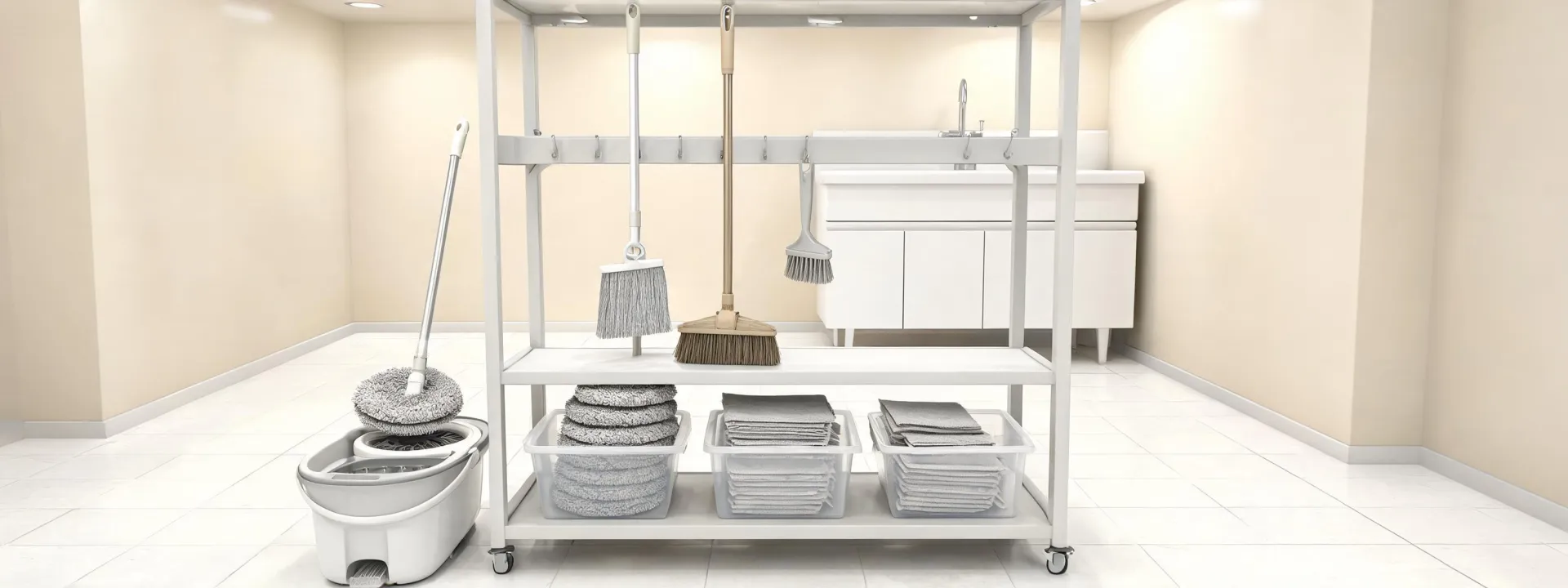
Tell us whether the priority is water control, dust pickup, tile scrubbing, compact storage, refill stocking, or quick daily reset.
Start a Use Case Review